Mancra Solar Pathway Lights: Proven Insider Buying Rules
Mancra Solar Pathway Lights show up everywhere because they hit the sweet spot: decent looks, “good enough” brightness, and pricing that doesn’t make you question your life choices.
But the problem is most people buy solar pathway lights like they buy paper towels: whatever’s on top of the stack. That’s how you end up with dim lights, dead batteries, and sad little posts leaning like they worked a double shift.
Table of Contents
- Quick Verdict: Are Mancra Lights Worth It?
- What You’re Actually Buying (Not the Marketing)
- Brightness Reality Check: Lumens, Lux, and Expectations
- Battery, Runtime, and the “Winter Faceplant” Problem
- Weatherproofing: IP Ratings vs Real Life Rain
- Installation and Placement: How to Avoid the Dim Zone
- Who Should Buy Mancra (and Who Shouldn’t)
- Smart Upgrades and Maintenance That Actually Work
- Bottom Line
Quick Verdict: Are Mancra Lights Worth It?
Mancra Solar Pathway Lights are worth buying if you want attractive “marker” lighting with low hassle—not if you expect car-headlight brightness or perfect winter performance. In full sun, they usually deliver clean path definition. In shade-heavy yards, they’ll disappoint fast. Buy them for ambiance and safety guidance, not stadium lighting.
Here’s the truth: “pathway lights” are often two different products wearing the same costume.
One type is decorative marker lighting (what most solar stake lights really are). The other is functional illumination (which usually requires higher lumens, better optics, and sometimes hardwired power). Mancra tends to live in the first bucket—sometimes flirting with the second depending on model.
If you want the bigger buying framework before you toss anything into your cart, use this as your baseline reference: my solar path lights buyer’s guide and review hub. It’ll keep you from paying “premium” money for “meh” internals.
What You’re Actually Buying (Not the Marketing)
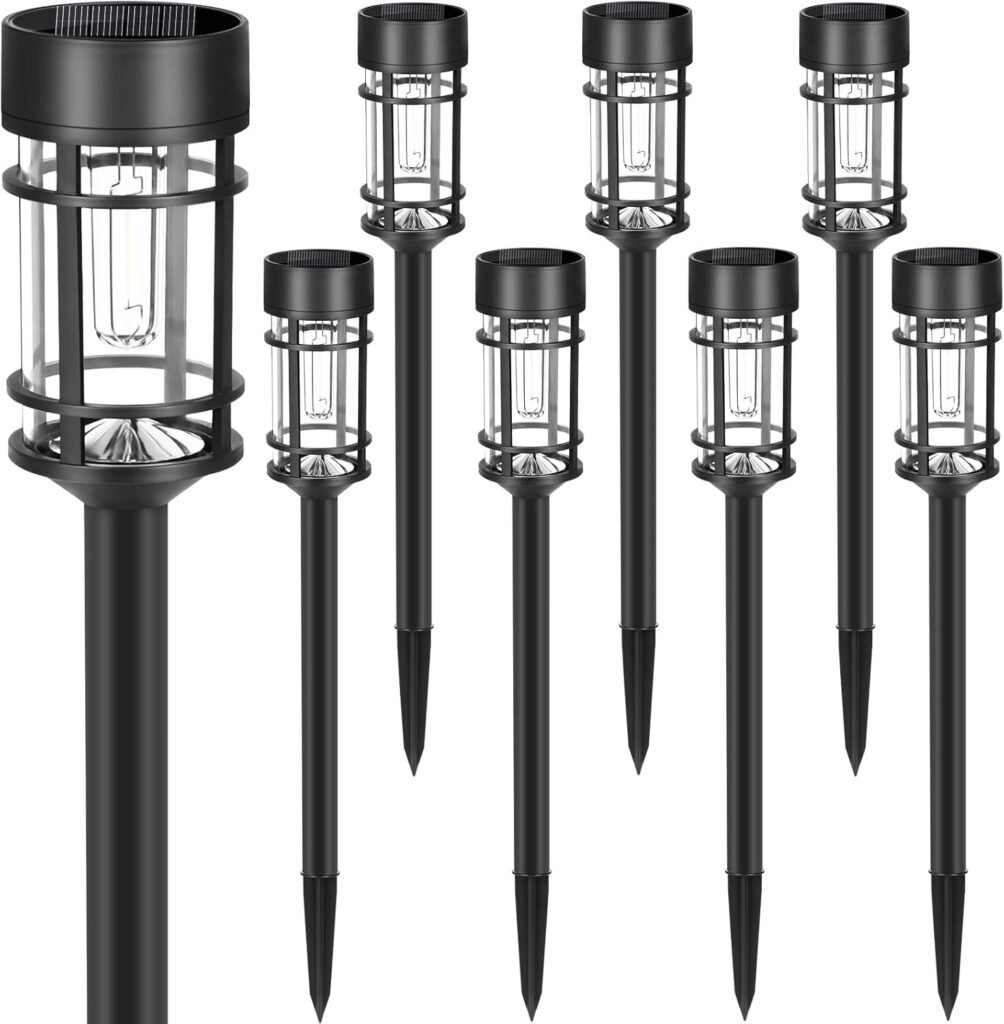
Mancra sells a range of pathway lights, but they generally share the same engineering blueprint:
- A small solar panel on top (usually amorphous or polycrystalline depending on the line).
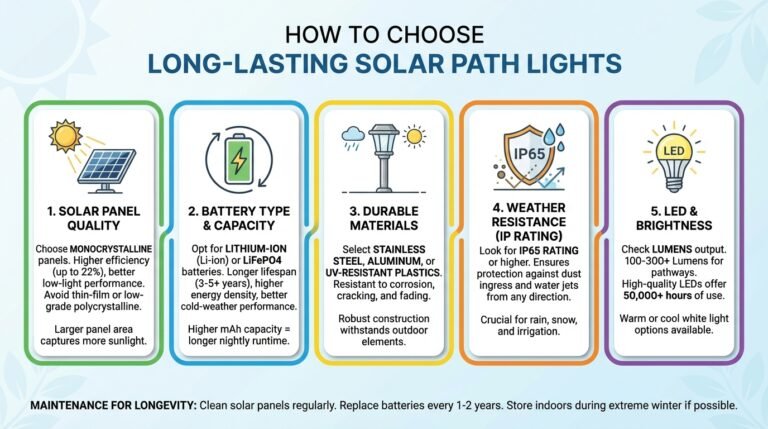
- A rechargeable battery (often NiMH or Li-ion depending on price tier).
- A light sensor + basic controller that decides when “night” starts.
- An LED + diffuser to spread the light instead of blasting a laser beam at your ankles.
- A stake mount that works great in soft soil and… let’s be charitable… “works” in rocky soil.
That’s the core. Everything else—“premium,” “ultra bright,” “commercial grade”—is usually a mix of housing material, diffuser design, and battery capacity. Which brings us to the part most listings quietly avoid: the physics.
Solar lighting is literally an energy budget. You capture energy during the day (panel area + sun exposure + efficiency), store some of it (battery chemistry + capacity), and spend it at night (LED power + driver efficiency + runtime settings).
If any one of those is weak—like the panel sitting under a tree canopy—your “12-hour” runtime becomes “cute for 3 hours.”
Want the boring-but-useful background on photovoltaic basics? Wikipedia’s overview is fine for the 10,000-foot view: Photovoltaics.
Brightness Reality Check: Lumens, Lux, and Expectations
Brightness is where buyers get emotionally damaged.
Listings love throwing around lumens. The problem is lumens without beam pattern is half a spec. A low-lumen light with a tight beam can look punchy; a higher-lumen light with a wide diffuser can look soft. Mancra models often use diffusers that make paths look classy… but not aggressively bright.
Quick translation:
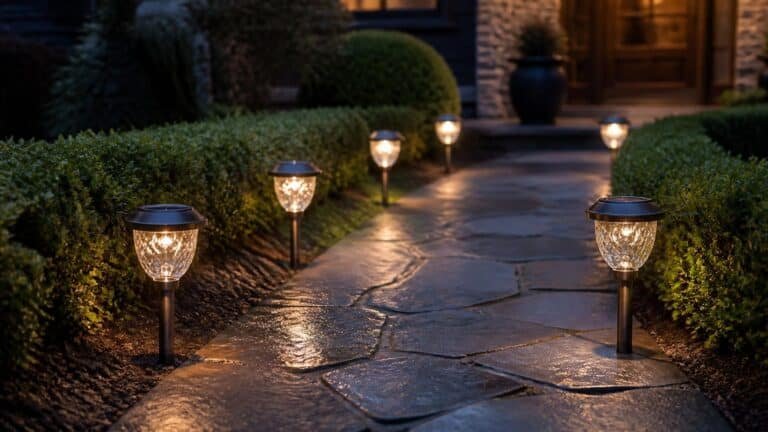
- If you want your walkway “outlined” (edges visible, steps less sketchy), Mancra is usually fine.
- If you want to actually see detail on the ground (cracks, puddles, uneven stones), you may need a higher-output setup or closer spacing.
And yes, people mix up lumens and lux constantly. Lumens is total light output; lux is how much light lands on a surface. Same bulb, different distance, different lux. If you want the technical definitions without the influencer fog, start here: Lumen and Lux.
Insider take: The biggest “brightness upgrade” is rarely the brand. It’s spacing and placement. Put decent lights too far apart and your path looks like a dotted line with gaps of darkness.
If you want rules you can actually follow (not “place as desired”), use this: solar path lights for walkways: 7 buying rules. It’s how you prevent the “I bought 8 lights and my driveway still looks haunted” scenario.
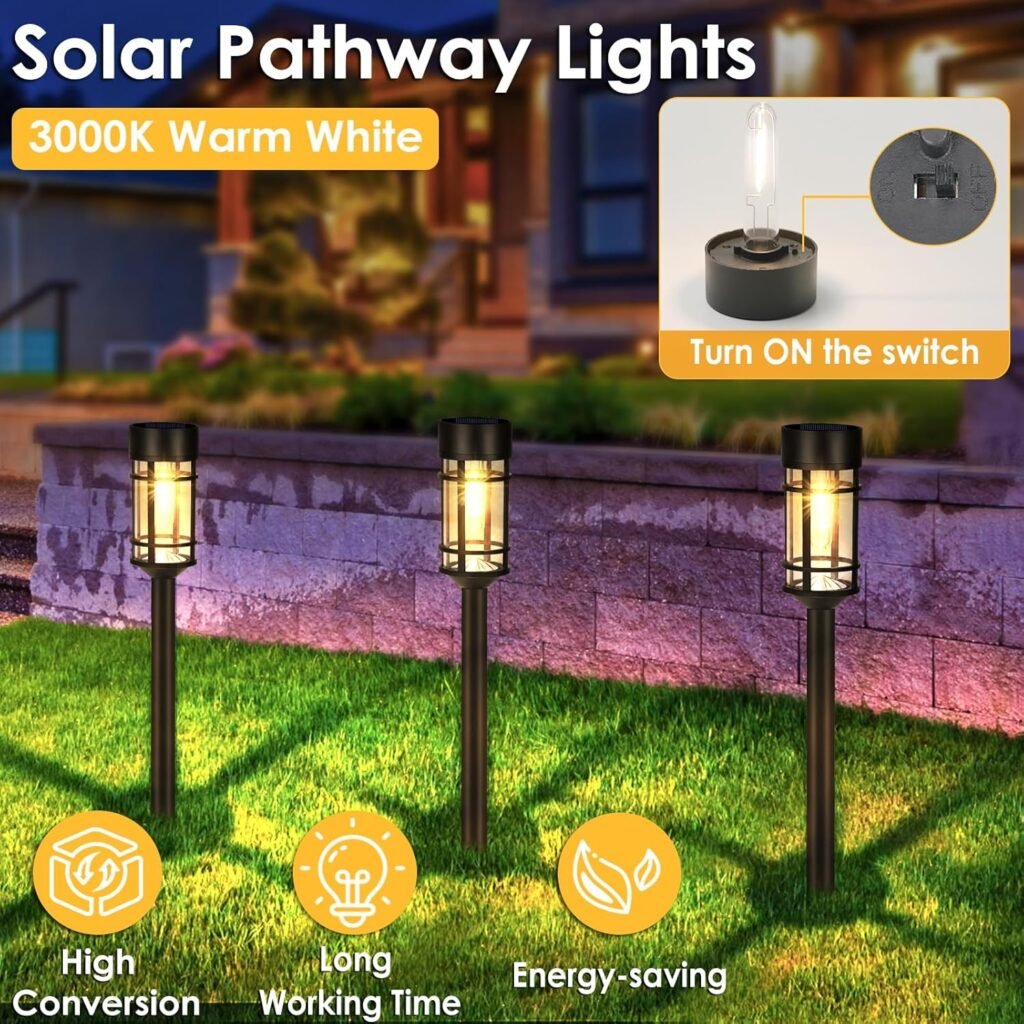
Battery, Runtime, and the “Winter Faceplant” Problem
Here’s where solar lights separate the adults from the toddlers: batteries.
Mancra tends to perform “as advertised” in summer conditions—long days, decent sun angle, warmer battery temps. Fast forward to winter and you get the classic solar faceplant:
- Shorter daylight means less charging time.
- Lower sun angle means worse panel harvesting, especially if your lights aren’t tilted well.
- Cold temperatures reduce effective battery capacity.
So when a product page promises “8–12 hours,” read it like a mechanic reads “highway MPG.” It’s possible… under ideal conditions… on a Tuesday… with the wind at your back.
What I look for in a good Mancra-style pathway light:
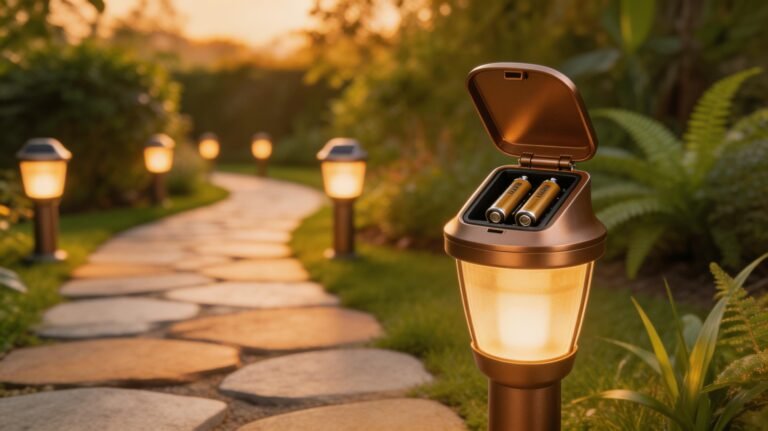
- Replaceable batteries. If the battery is sealed and proprietary, that’s not “premium,” that’s future trash.
- A sensible power mode. Some models do “high” early evening then drop later. That’s smart energy management, not cheating.
- Consistent charging circuitry. Cheap controllers overcharge or undercharge; both kill batteries faster.
Also: if you live somewhere with frequent cloud cover, snow, or heavy shade, solar stake lights are automatically a compromise. Not “bad,” just not magic.
Weatherproofing: IP Ratings vs Real Life Rain
Weather resistance is where a lot of “nice looking” lights get exposed (sometimes literally).
You’ll see IP ratings thrown around—IP44, IP65, etc. Here’s the truth: an IP rating is meaningful only if the product is built to that standard and the seals stay intact over time. Cheap gaskets and loose tolerances can turn “weatherproof” into “moisture museum.”
If you want the official breakdown of what those numbers actually mean, the standard summary is here: Ingress Protection (IP) Code.
What to watch for on Mancra-style lights:
- Lens fogging after heavy rain = moisture intrusion or poor venting.
- Corrosion at the battery contacts = water got in, and it’s slowly cooking your runtime.
- Water pooling under the solar panel = housing design flaw or cracked top cap.
My no-BS stance: if your yard gets hammered by storms, don’t obsess over “how pretty the diffuser looks” on day one. Obsess over build quality, seals, and battery access. Pretty doesn’t matter when half your lights are blinking like a low-budget sci-fi set.
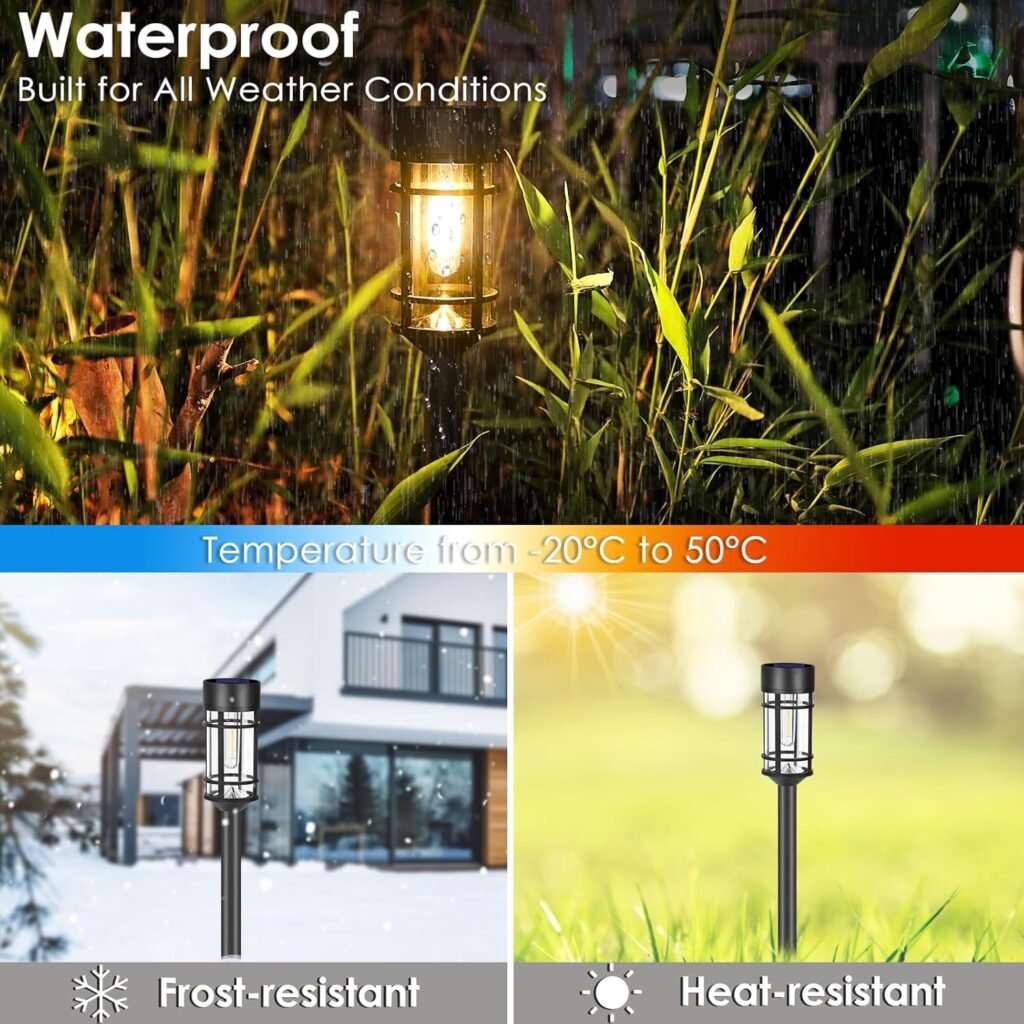
Installation and Placement: How to Avoid the Dim Zone
Most “solar light disappointment” is installation error dressed up as “bad product.”
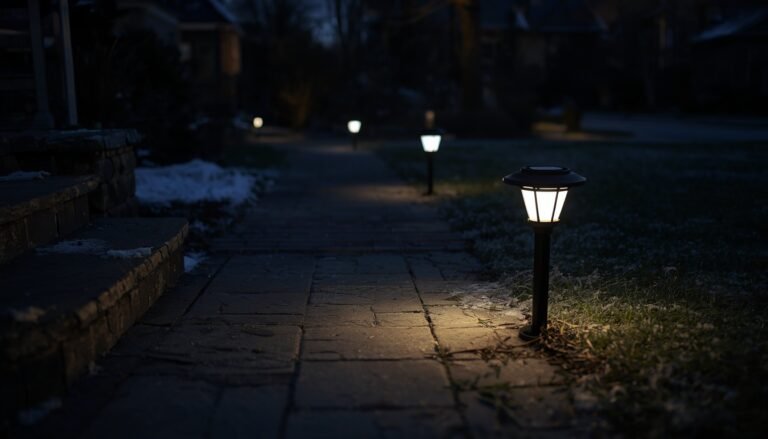
Solar panels need sun. Not “some sun.” Sun. If you install Mancra Solar Pathway Lights under trees, roof overhangs, tall hedges, or on the north side of a structure (in many regions), you’re starving the system.
Placement rules I actually use:
- Give the panel 6+ hours of direct sun if you want reliable brightness.
- Avoid streetlight spill hitting the sensor—some lights think it’s still daytime and refuse to turn on.
- Stagger both sides of a path instead of lining one edge only. It reads brighter and safer.
- Set expectations by purpose: “edge markers” can be spaced wider; “visibility lighting” needs tighter spacing.
And if you’re budget-sensitive (who isn’t), there are cases where cheaper lights are the smarter play—especially for long driveways where you need quantity. This roundup exists for a reason: best budget solar path lights (honest 2026 reviews).
One more thing: stakes. Stakes are the unsung failure point.
If you have hard soil, gravel beds, or frost heave, don’t just force the stake like you’re angry at the earth. Pre-drill a pilot hole, or use a sacrificial stake to open the path. Otherwise you crack the post, loosen the seal, and then act surprised when water gets in.
Who Should Buy Mancra (and Who Shouldn’t)
Buy Mancra Solar Pathway Lights if you want:
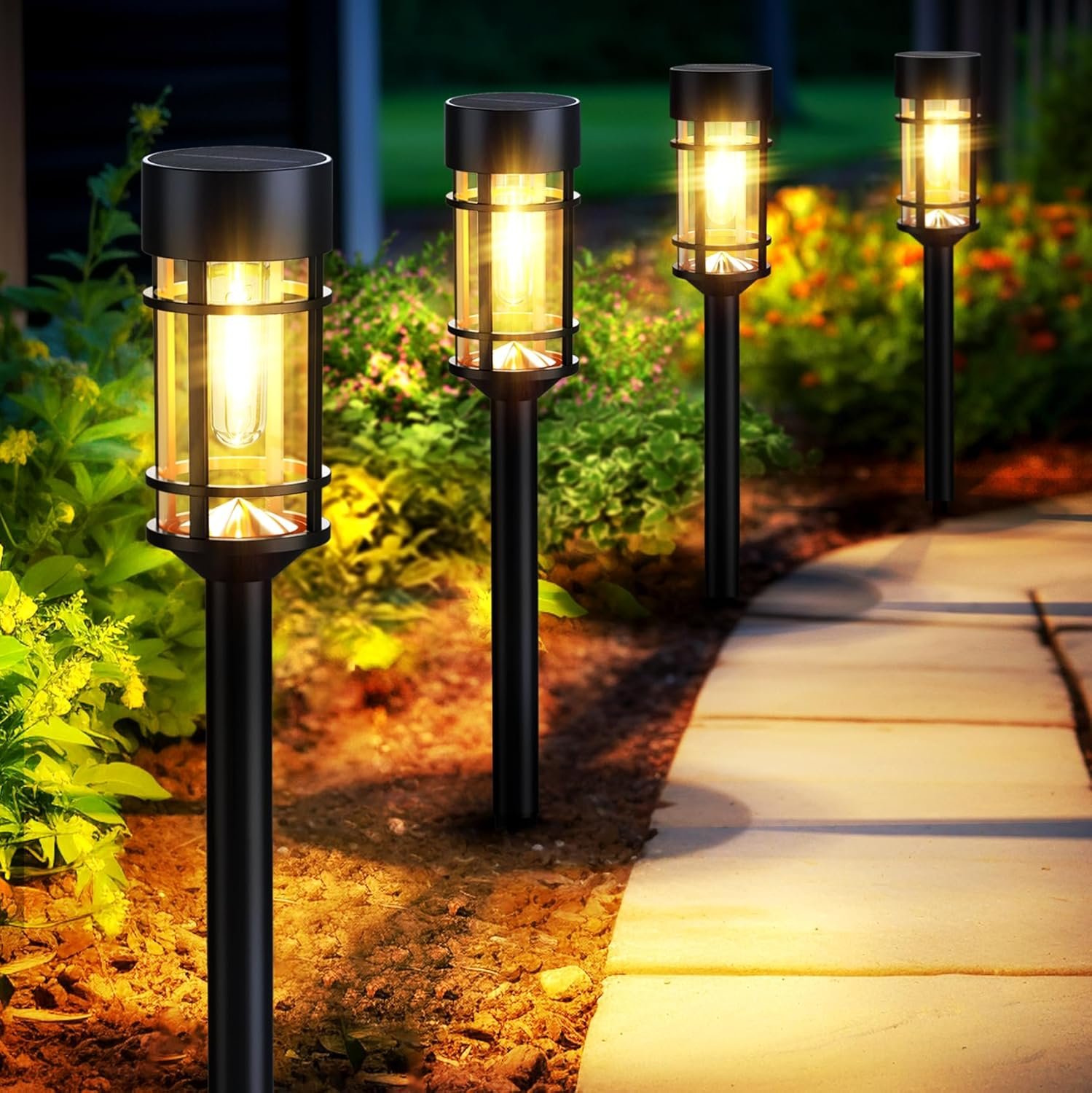
- A clean-looking pathway outline that makes your yard feel intentionally designed.
- Low wiring drama (no trenching, no conduit, no “why is the breaker tripping?”).
- Reasonable performance in normal sun conditions—not full shade, not deep winter gloom 24/7.
Skip them (or rethink solar stakes entirely) if you want:
- True task lighting for stairs, steep slopes, or uneven stone where you need high visibility.
- Reliability in heavy shade where panels can’t recharge properly.
- Set-it-and-forget-it for 5+ years with zero battery replacements. That’s not solar; that’s a fairy tale.
Here’s the spicy part: some people should just buy low-voltage wired lights and be done with it. If you’re lighting a high-traffic walkway and safety is the priority, solar stake lights can be the wrong tool. Not “bad,” just mismatched.
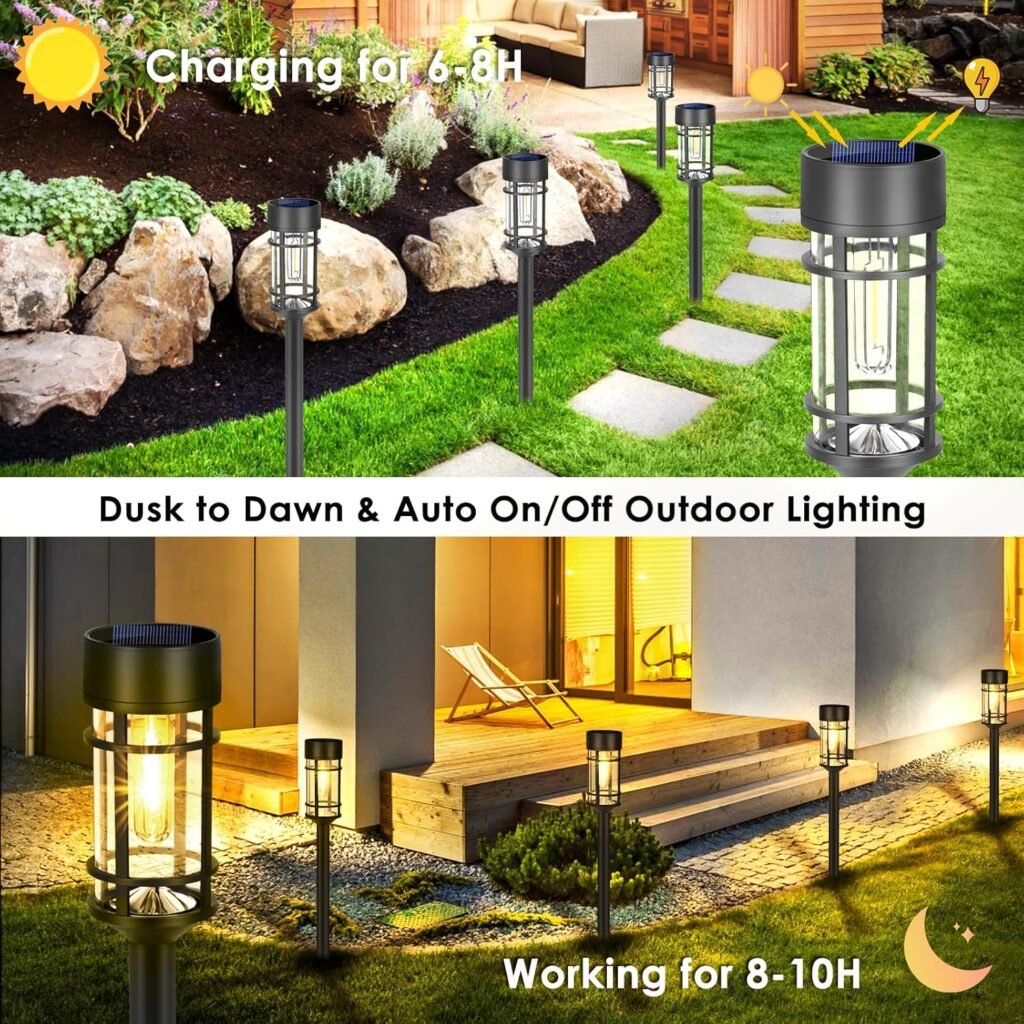
Smart Upgrades and Maintenance That Actually Work
If you buy Mancra and want them to stay decent longer than one season, do the boring maintenance. It pays off.
- Clean the solar panels monthly (pollen, dust, and grime are free performance killers).
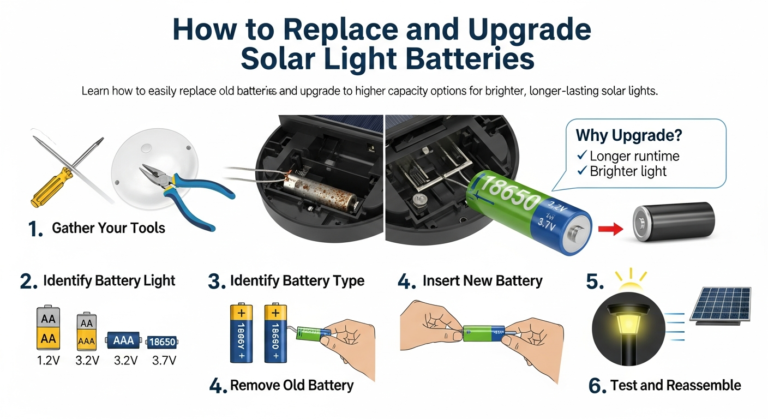
- Swap batteries proactively if you notice runtime dropping hard after 12–18 months (depends on chemistry and climate).
- Check seals after storms—if water got in once, it’ll keep getting in.
- Rotate placement seasonally if your yard’s sun pattern changes (trees leaf out, shadows move).
Insider trick: If your lights look dim but the batteries are fine, your diffusers may be dirty or hazed. A gentle clean often “magically” restores brightness. It’s not magic. It’s maintenance.
Also, if a model offers warm white vs cool white, choose based on your environment:
- Warm white looks better with stone, brick, mulch, and “cozy” landscaping.
- Cool white can feel brighter and crisper, but it can also make your garden look like a parking lot if overdone.
Bottom Line
Mancra Solar Pathway Lights are a solid buy when you use them for what they’re built to do: mark paths, add curb appeal, and reduce “where’s the edge?” nighttime trips. Treat them like decorative safety indicators and they’ll make you happy.
Treat them like floodlights and you’ll hate them.
My final insider takeaway: the “best” solar pathway light is the one that matches your sun exposure and spacing plan. If you nail those two, even mid-priced lights look premium. If you ignore them, even expensive lights look like a mistake with a stake.
Now go install them like you meant it. And if you catch yourself saying “I’ll just put them under the tree for aesthetics,” I want you to hear me sigh from across the internet.
As an Amazon Associate, I earn from qualifying purchases.