
How to Choose Solar Path Lights That Match Your Home
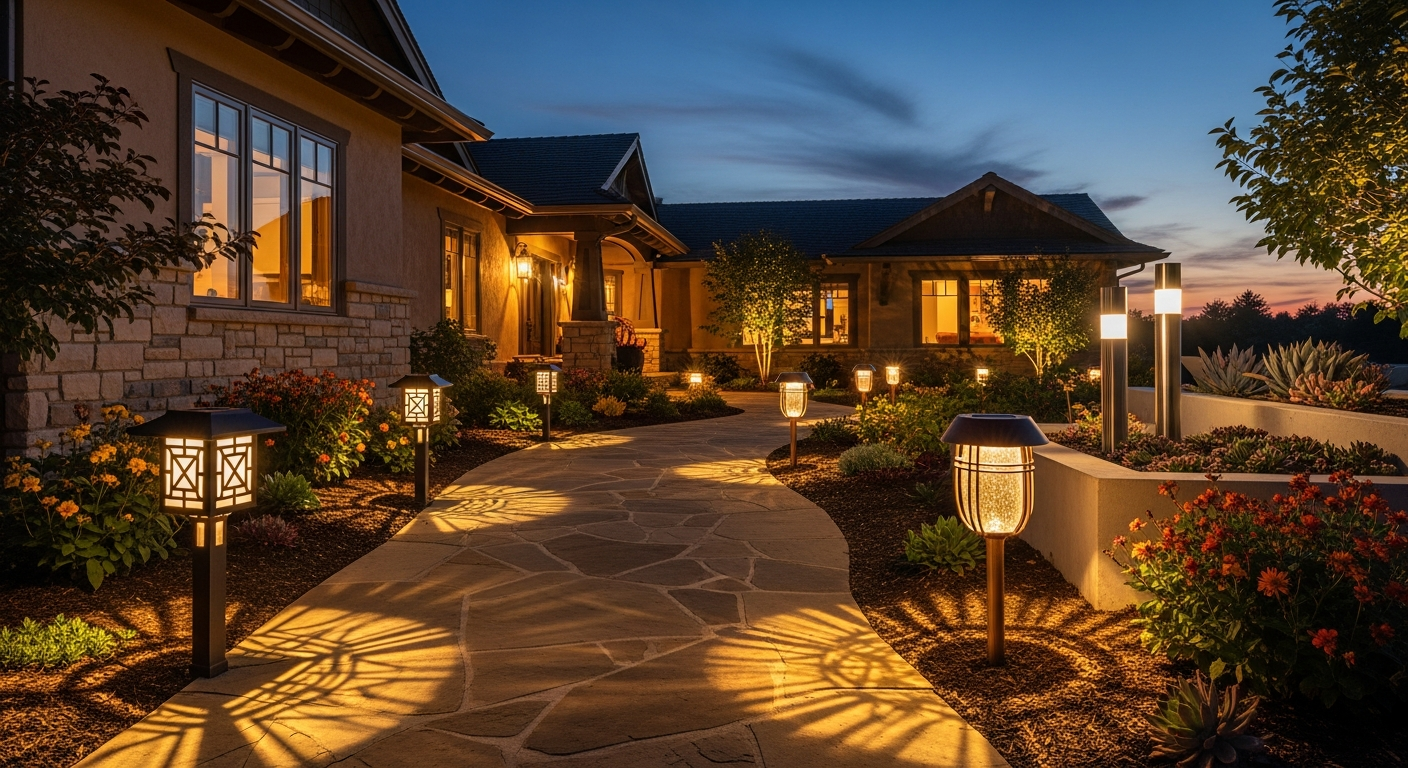
How to choose solar path lights that match your home trips up more homeowners than it should. The problem is people treat path lights like yard ornaments instead of architectural elements. Fast forward six months and the lights either look out of place, blind guests, or die quietly in the mulch.
Here’s the truth: solar path lighting isn’t about brightness or price. It’s about proportion, color temperature, and knowing when less light does more work.
Table of Contents
- Start With Your Home’s Architecture
- Scale, Spacing, and Why Most Installations Look Wrong
- Color Temperature: The Silent Deal-Breaker
- Materials and Finishes That Age Well
- Solar Performance Isn’t Optional
- Smart Style Picks by Home Type
- Frequently Asked Questions
Start With Your Home’s Architecture
Snippet answer: Choose solar path lights that echo your home’s architectural style, use proportional sizing, and stick to warm color temperatures so the lighting feels integrated instead of tacked on.
If you ignore architecture, you lose. Period.
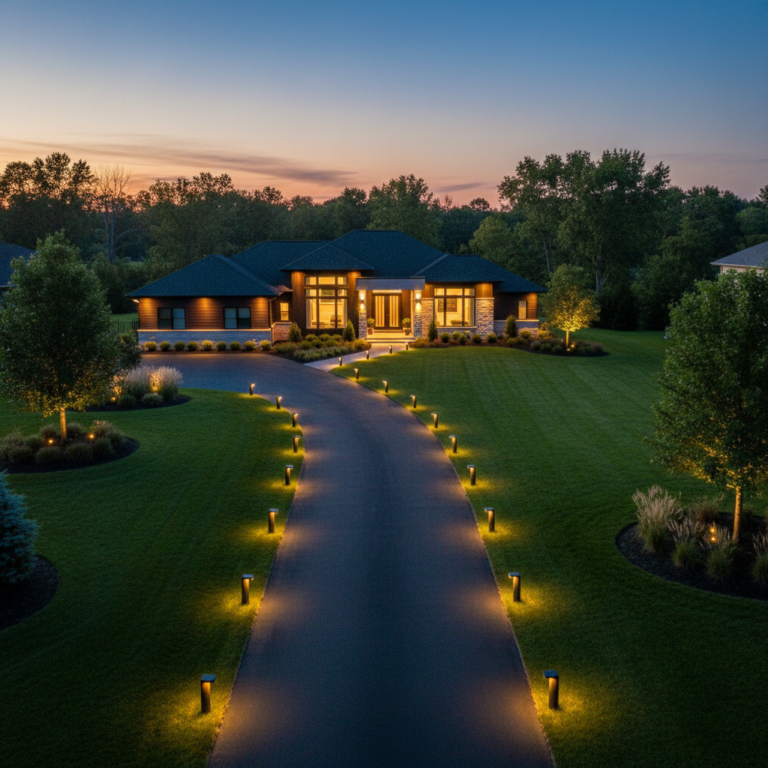
Modern homes want clean lines, minimal fixtures, and controlled light spill. Traditional homes tolerate more ornamentation. Farmhouse styles sit somewhere in between, usually favoring simple lantern shapes.
This isn’t subjective. According to basic architectural lighting principles taught in landscape design programs (Wikipedia actually summarizes this well), fixtures should reinforce the structure—not fight it.
If you need visual inspiration grounded in reality (not Pinterest fantasy), review how pros actually approach cohesive outdoor design in this solar path lighting design breakdown.
Scale, Spacing, and Why Most Installations Look Wrong
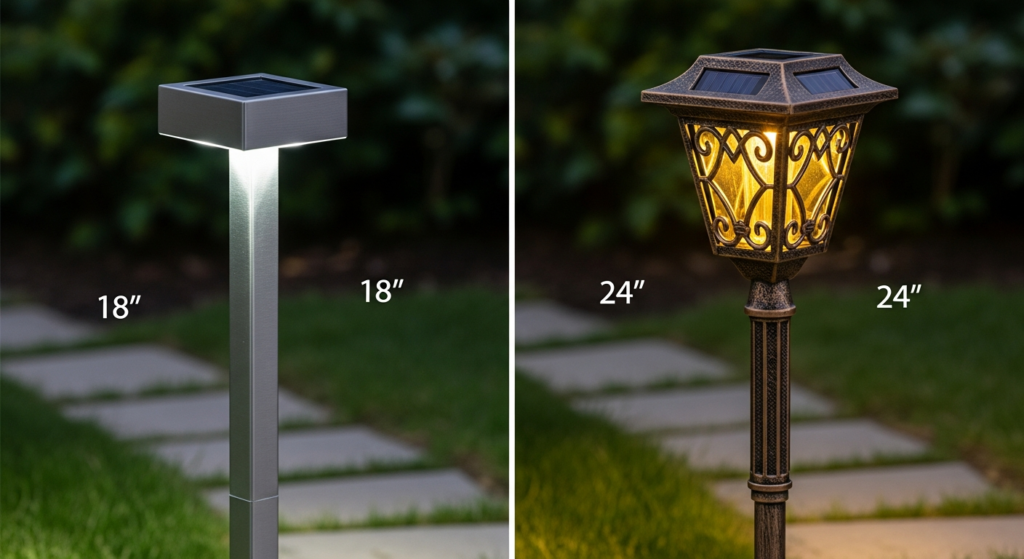
The biggest rookie mistake? Buying lights that are too short.
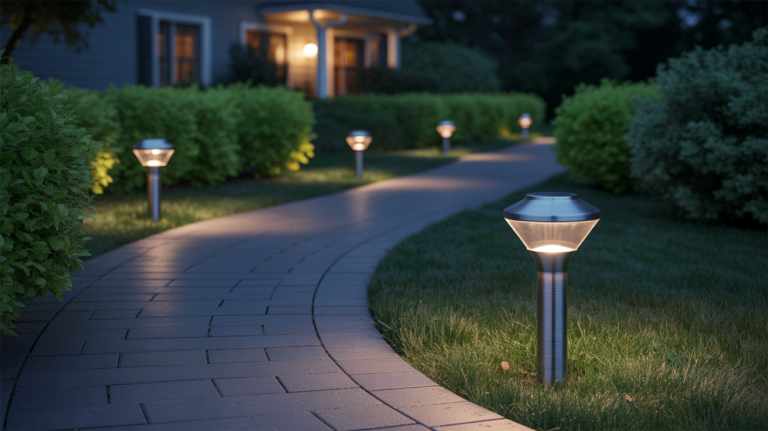
Path lights under 14 inches disappear visually during the day and look like runway markers at night. Taller fixtures (18–24 inches) read as intentional design elements.
Spacing matters more than quantity. Lights should guide movement, not outline the sidewalk like a landing strip. Industry guidance from extension programs like landscape architecture departments consistently recommend wider spacing with softer output.
If you want a clean install that doesn’t scream “DIY disaster,” read this rookie mistake checklist before you buy anything.
Choose Solar Path Lights Color Temperature: The Silent Deal-Breaker
This is where cheap solar lights betray themselves.
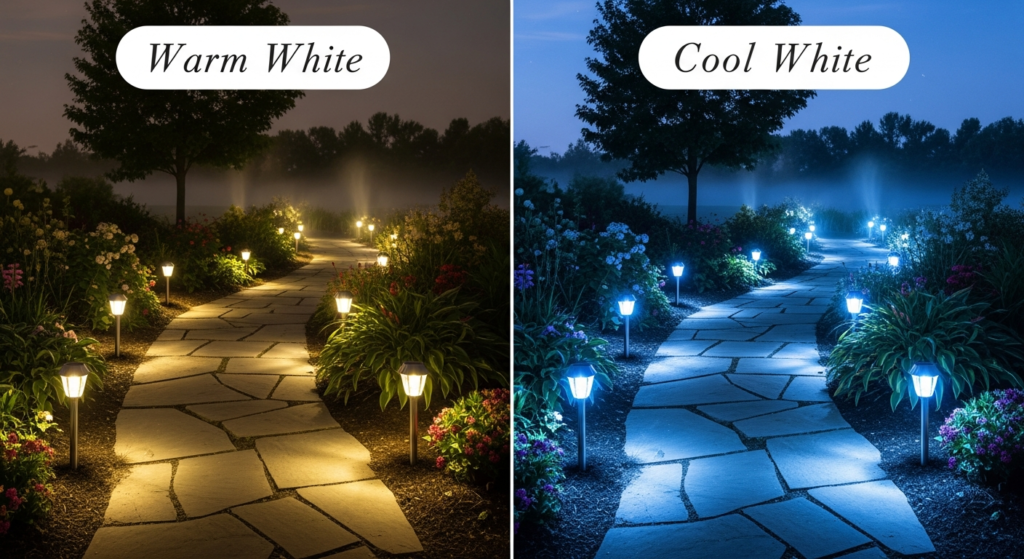
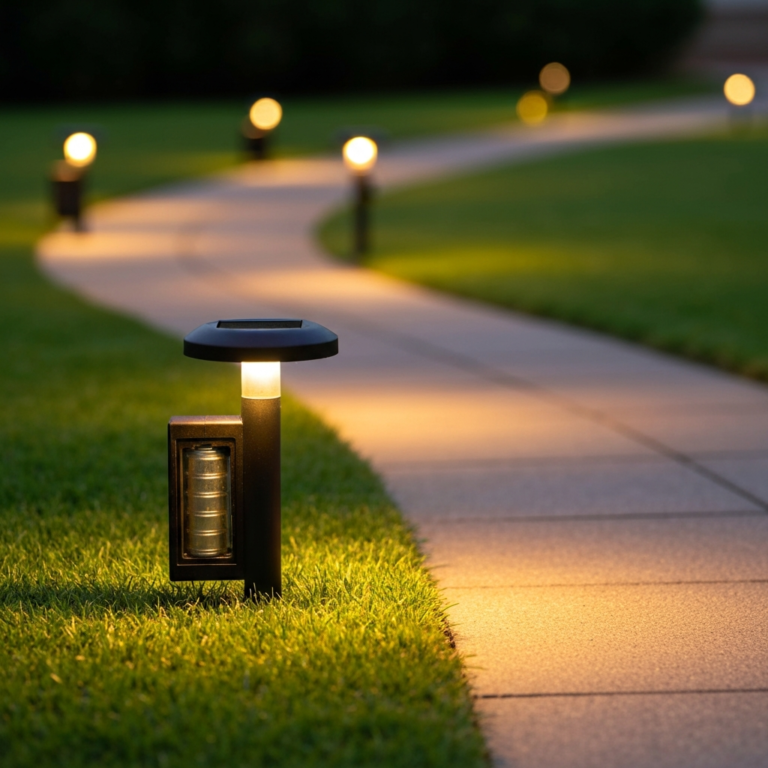
Most budget fixtures default to cool white LEDs because they’re cheaper and test brighter. That bluish light (4000K+) looks awful against siding, stone, and brick.
Residential exteriors almost always look better at 2700K–3000K. The U.S. Department of Energy backs this up in their outdoor lighting guidance (energy.gov).
If the product description doesn’t list color temperature, that’s not an oversight—it’s a warning.
Materials and Finishes That Age Well
Plastic is fine indoors. Outside, it’s a liability.
UV exposure turns cheap plastic brittle fast. Powder-coated aluminum, stainless steel, or real glass lenses survive seasons, not months.
Match finishes loosely. Black, bronze, or dark gray disappear visually and let the light do the talking. Shiny chrome outside is a terrible idea unless you enjoy glare.
For buyers shopping options, this Amazon search pulls solid mid-tier fixtures that don’t instantly embarrass your house:
Solar Performance Isn’t Optional
Choose Solar Path Lights Design means nothing if the lights don’t stay on.
Panels need real sun. Shaded paths require higher-efficiency panels and larger batteries. Nickel-metal hydride batteries outperform old NiCd units and last longer (energy.gov).
If you’re unsure about layout and sun exposure, this solar planning guide covers the basics without fluff.
Smart Style Picks by Home Type
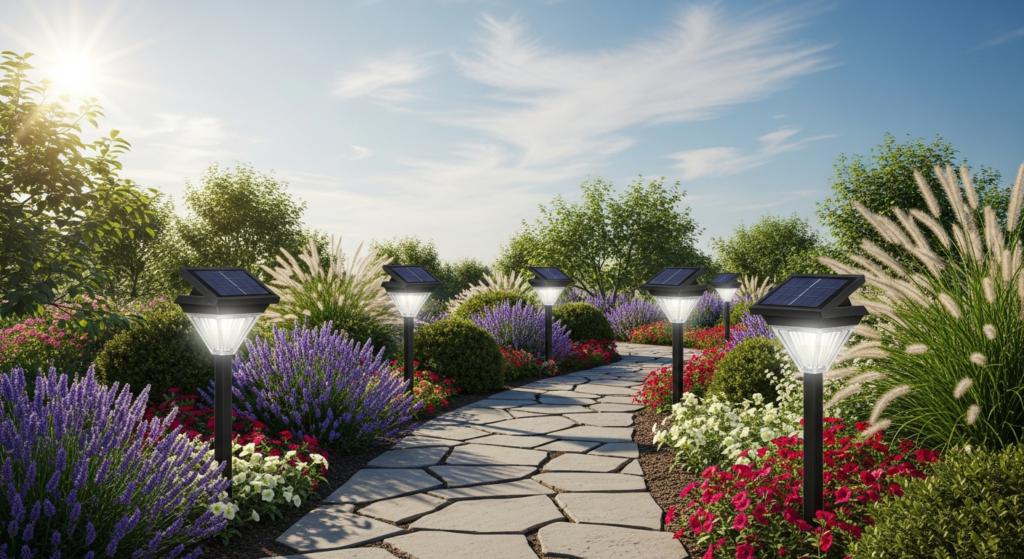
Modern homes: Slim black aluminum, low-glare lenses, wider spacing.
Traditional homes: Lantern profiles, warm glass, bronze or matte black finishes.
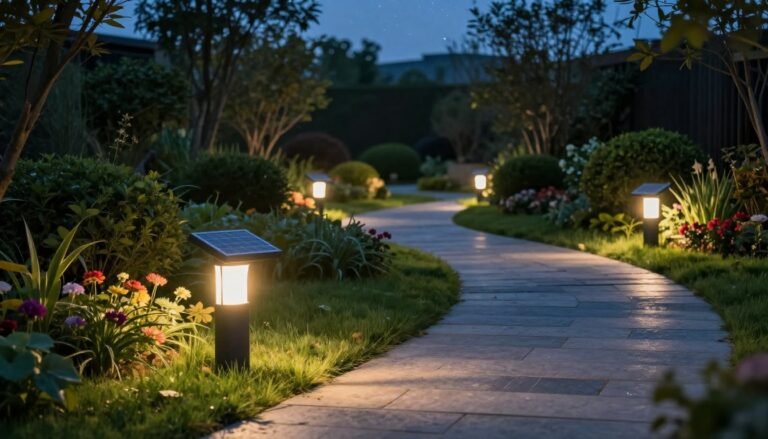
Farmhouse or rustic: Simple stakes, seeded glass, nothing shiny.
Bottom line: if the fixture draws attention to itself during the day, it’s probably wrong.
Frequently Asked Questions
Do solar path lights need to match exactly?
No. Complement beats copy every time.
How many lumens should I use?
10–50 lumens. Anything more is lighting ego.
Why do my lights look harsh?
Wrong color temperature or poor lens diffusion.
Is higher price always better?
No—but ultra-cheap almost always fails early.
Final takeaway: Choose solar path lights like an architect, not a bargain hunter. Match scale, respect color temperature, and let subtlety win. If your lights quietly do their job without anyone noticing—that’s success.
As an Amazon Associate, I earn from qualifying purchases.

One Comment
Comments are closed.