
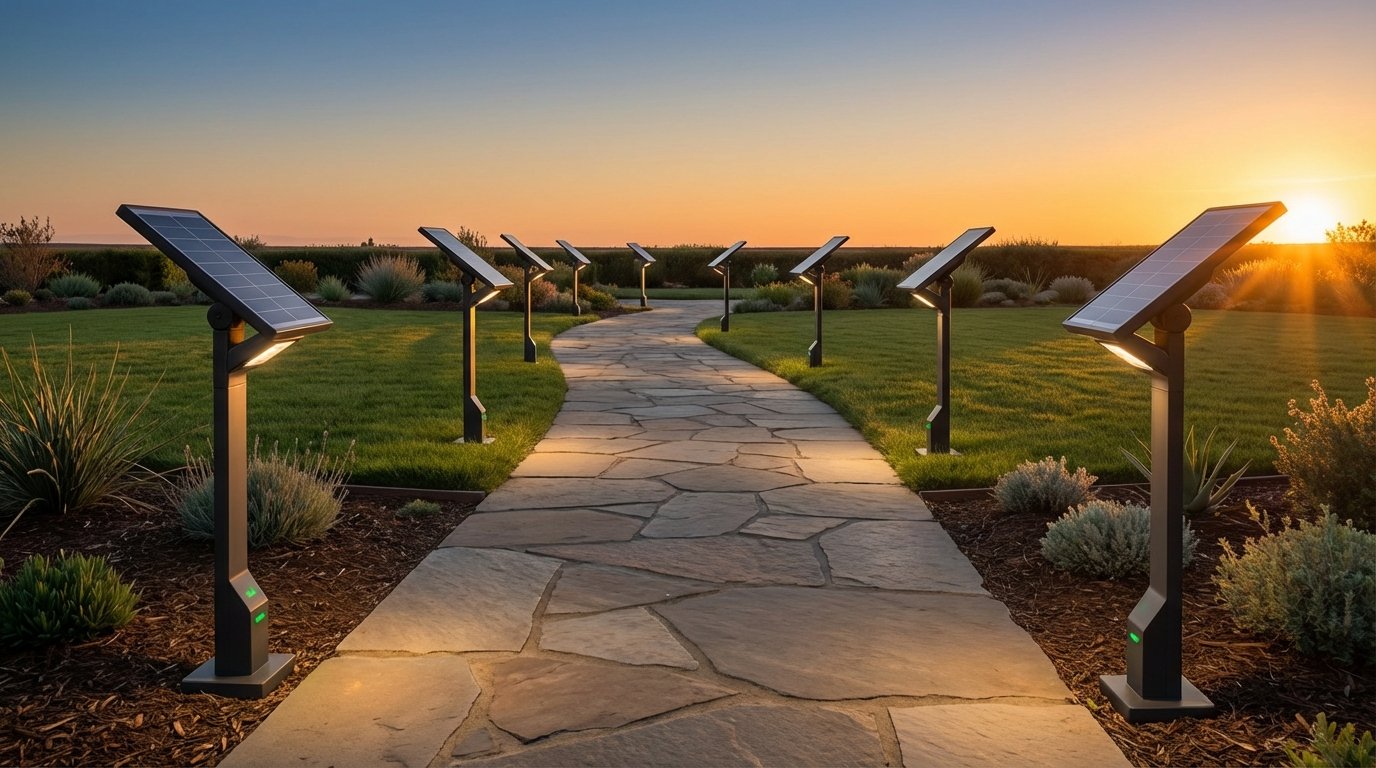
Solar Lighting Basics and Installation Planning 101
Solar lighting basics and installation planning trips up more homeowners than bad wiring ever did. The problem is people buy lights first and think later. Fast forward to sunset, and suddenly the yard looks like a dim airport runway with half the lights dead by 9 p.m.
Here’s the truth: solar lights aren’t plug-and-play magic. They’re tiny power systems with brutal constraints. Ignore those constraints, and the results suck. Respect them, and solar lighting quietly outperforms wired systems with zero trenching and no electric bill.
Table of Contents
- How Solar Lighting Actually Works
- Site Evaluation Before You Buy
- Choosing the Right Solar Light Components
- Installation Planning That Prevents Failure
- Common Installation Mistakes
- Frequently Asked Questions
How Solar Lighting Actually Works
Quick answer: Solar lights collect sunlight through a panel, store that energy in a small battery, then convert it into light after dark using LEDs. Runtime depends entirely on how much energy gets captured versus how fast it’s burned.
Solar lighting is basic physics, not marketing hype. Photovoltaic cells convert sunlight into DC electricity. That energy charges a battery—usually NiMH or lithium-ion. At dusk, a sensor flips the circuit and the LED pulls power until the battery is empty.
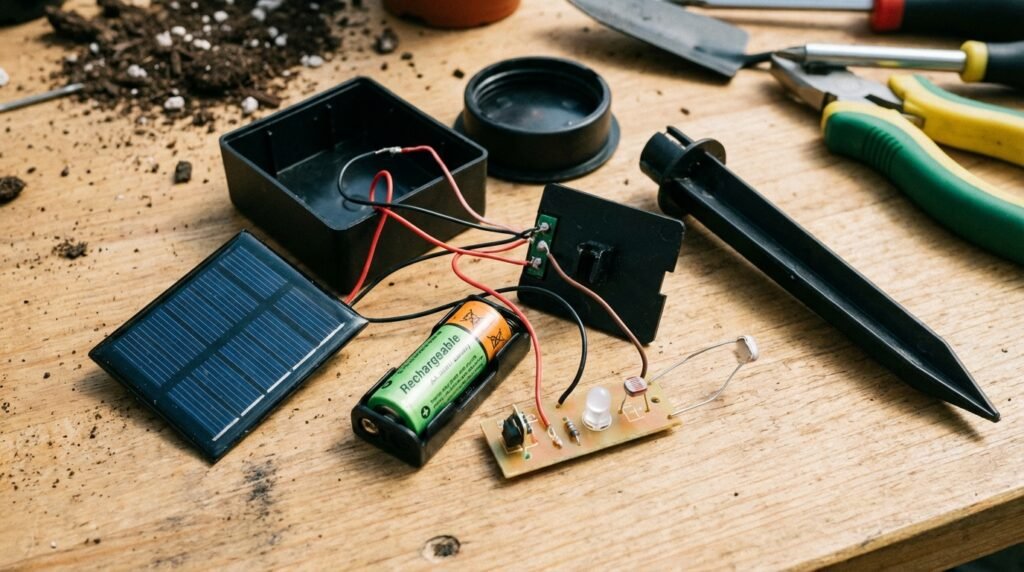
According to Wikipedia’s solar lamp overview, efficiency losses stack up fast—panel inefficiency, battery degradation, controller losses. That’s why placement matters more than brand logos.
If you want deeper product-level insight, start with this solar path lights buyer’s guide before opening your wallet.
Site Evaluation Before You Buy
The problem is most failures happen before installation even starts. Sun exposure is the real currency here.
Walk your property at midday. Not morning. Not late afternoon. Midday. Look for direct sun hitting the ground for at least six hours. Trees, fences, walls, and rooflines all steal charge time.
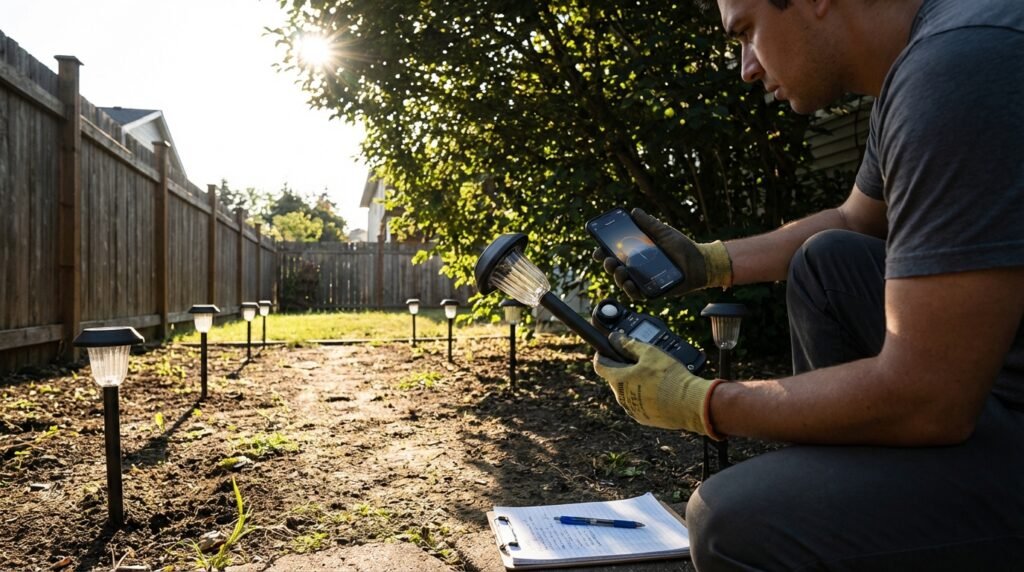
The U.S. Department of Energy confirms that even partial shade can reduce solar collection by over 50% (energy.gov). That’s not linear. That’s brutal.
Bottom line: no sun, no performance. Don’t argue with physics.
Choosing the Right Solar Light Components
Brightness sells. Battery capacity delivers.
Lumens without storage are useless. A 20-lumen light with a solid battery often outlasts a 100-lumen unit that drains itself by midnight.
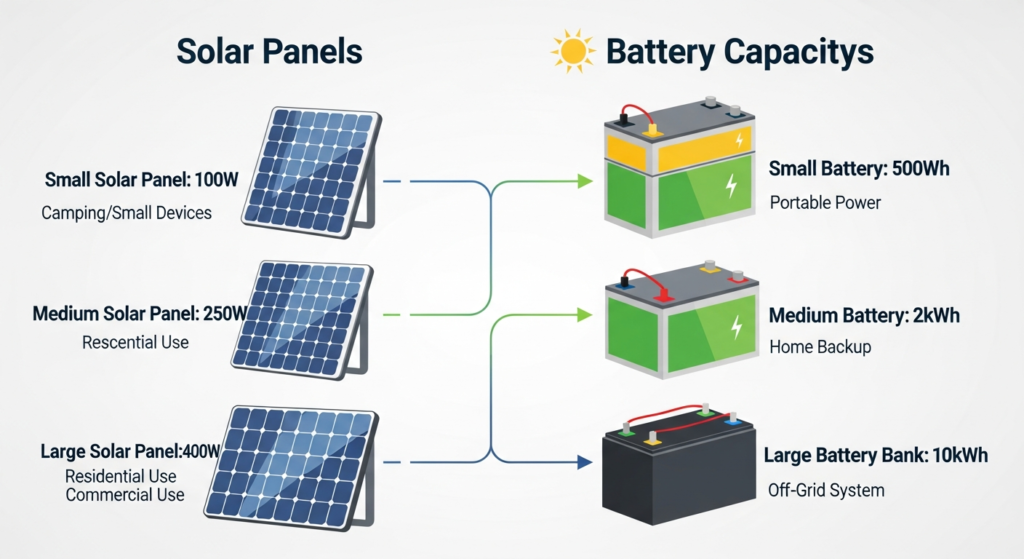
National Renewable Energy Laboratory research shows lithium-ion batteries outperform NiMH in cold weather and long-term cycle life (NREL study). If you live anywhere with real seasons, lithium wins.
Installation Planning That Prevents Failure
This is where amateurs lose weekends.
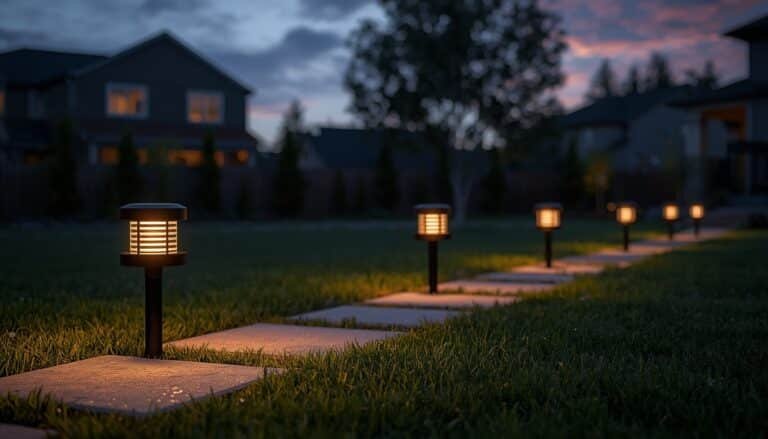
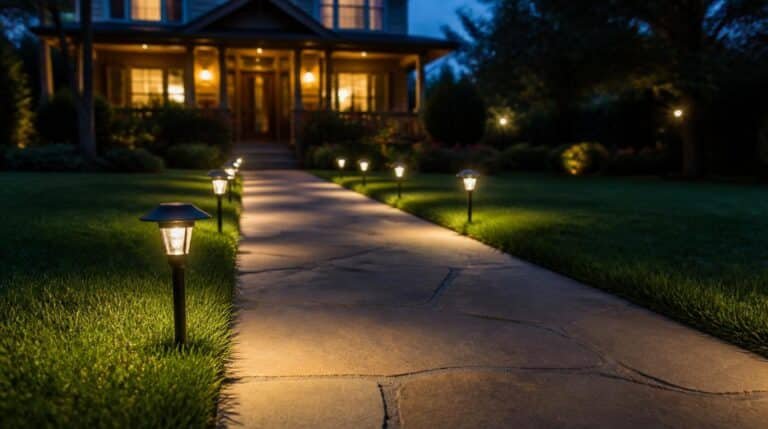
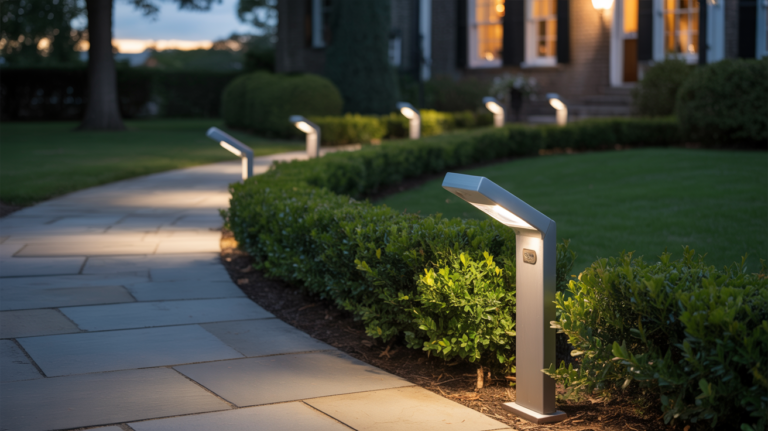
Spacing matters. Too close and you get glare. Too far and pathways disappear. For most path lights, 6–8 feet apart works. Deviate based on terrain, not aesthetics.

Angle the panel toward the sun’s dominant path. Vertical stakes jammed into the ground look neat but collect less energy. Slight tilt equals longer runtime.
If you want to avoid rookie errors entirely, read this breakdown on installation and maintenance mistakes. It’ll save you from redoing the job.
Common Installation Mistakes
Here’s the shortlist of what actually kills performance:
- Installing in shade and blaming the product
- Ignoring battery type
- Overbuying brightness
- Clustering lights too tightly
- Expecting winter performance without winter sun
None of these are manufacturer defects. They’re planning failures.
Frequently Asked Questions
How much sunlight do solar path lights really need?
Six to eight hours of direct sun. Anything less is borrowed time.
Can solar lights be installed under trees or eaves?
You can try. The results will disappoint you.
Do higher lumens always mean better solar lighting?
No. Balance beats brute force.
Is professional installation required?
For basic setups, no. For complex layouts, planning beats guesswork.
Bottom line: Solar lighting basics and installation planning aren’t hard, but they punish laziness. Respect sunlight, size batteries correctly, and plan before you buy. Do that, and your lights won’t embarrass you after dinner. Ask me how I know.
As an Amazon Associate, I earn from qualifying purchases.



2 Comments
Comments are closed.