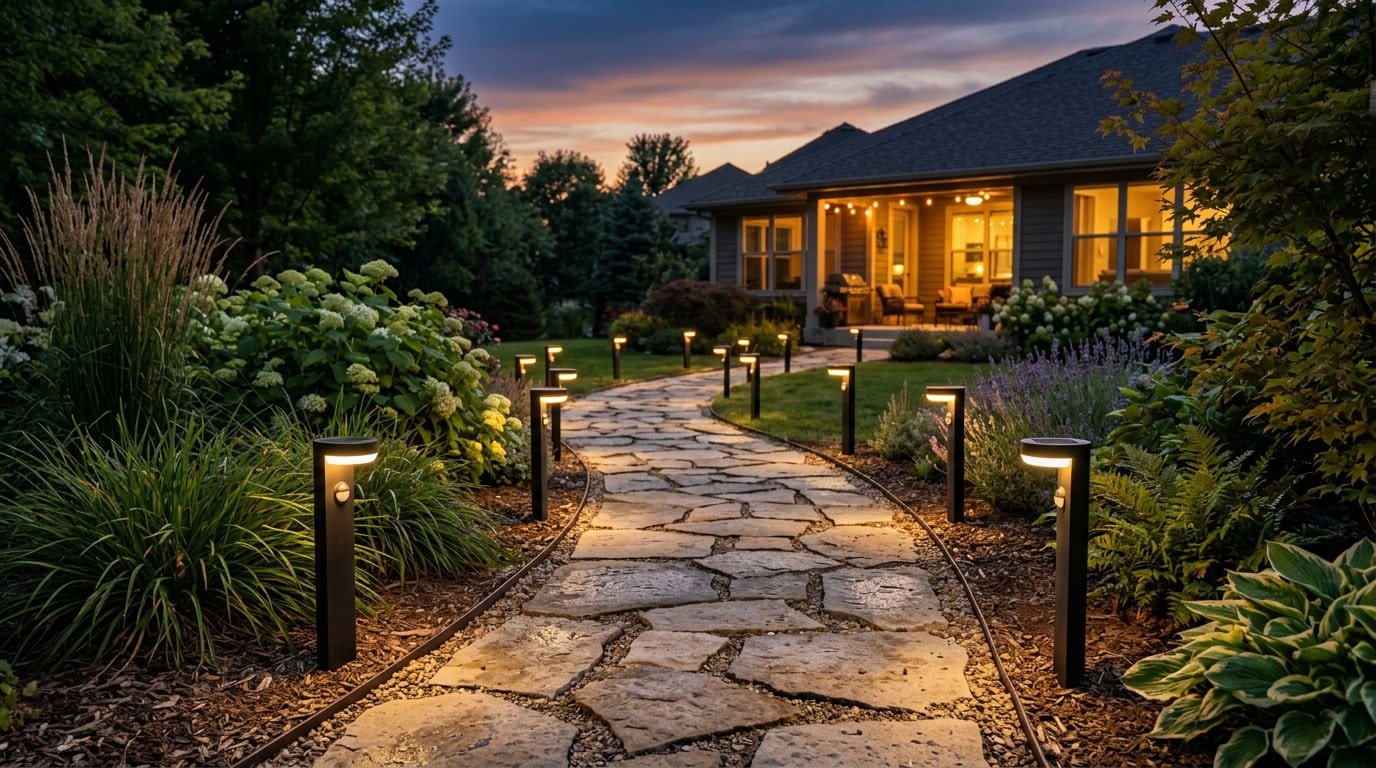
Hidden Benefits of Motion Sensor Solar Path Lights You’ve Never Considered
Table of Contents
- What Makes Motion Sensor Solar Path Lights Different?
- Hidden Benefit #1: They Quietly Boost Your Property Value
- Hidden Benefit #2: Wildlife and Ecosystem Protection
- Hidden Benefit #3: The Psychology of Security Theater
- Hidden Benefit #4: Liability Shield for Homeowners
- Hidden Benefit #5: Battery Longevity Through Smart Activation
- Hidden Benefit #6: They Train You to Notice Your Property
- Advanced Placement Strategies Most People Ignore
- Frequently Asked Questions
- My Top Recommended Gear
What Makes Motion Sensor Solar Path Lights Different?
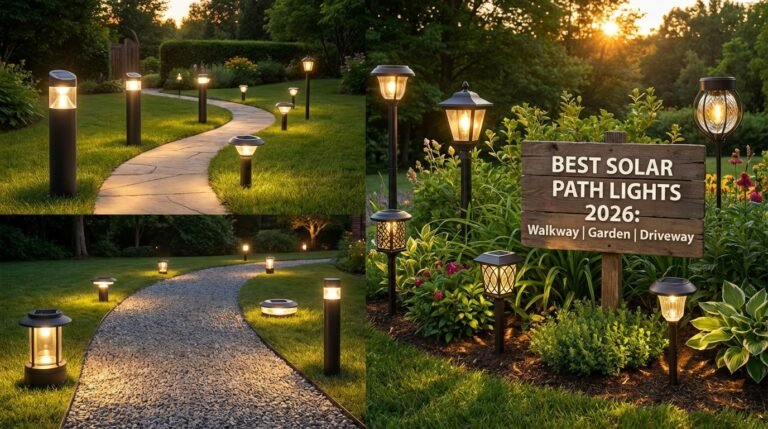
Motion sensor solar path lights combine passive infrared detection with solar-powered LED illumination to activate lighting only when someone — or something — approaches. Unlike always-on solar garden lights, they conserve stored energy, reduce light pollution, and deliver targeted brightness exactly when and where you need it.
Here’s the problem most homeowners face: you want a well-lit property at night, but you’re stuck choosing between ugly wired fixtures that spike your electric bill and cheap solar stakes that glow like dying fireflies. It’s frustrating. You spend money, you spend time installing them, and six months later you’re tripping over the same dark patch on your walkway because the lights already crapped out.
I’ve spent over a decade testing, installing, and writing about outdoor solar lighting. And I’ll tell you something most product reviews won’t — the best solar path lights aren’t just about lumens and runtime specs. The real magic of motion-activated models lives in the benefits nobody talks about. Benefits that affect your wallet, your safety, your local ecosystem, and even your legal exposure.
Let me walk you through the ones that genuinely surprised me after years in this industry.
Hidden Benefit #1: They Quietly Boost Your Property Value
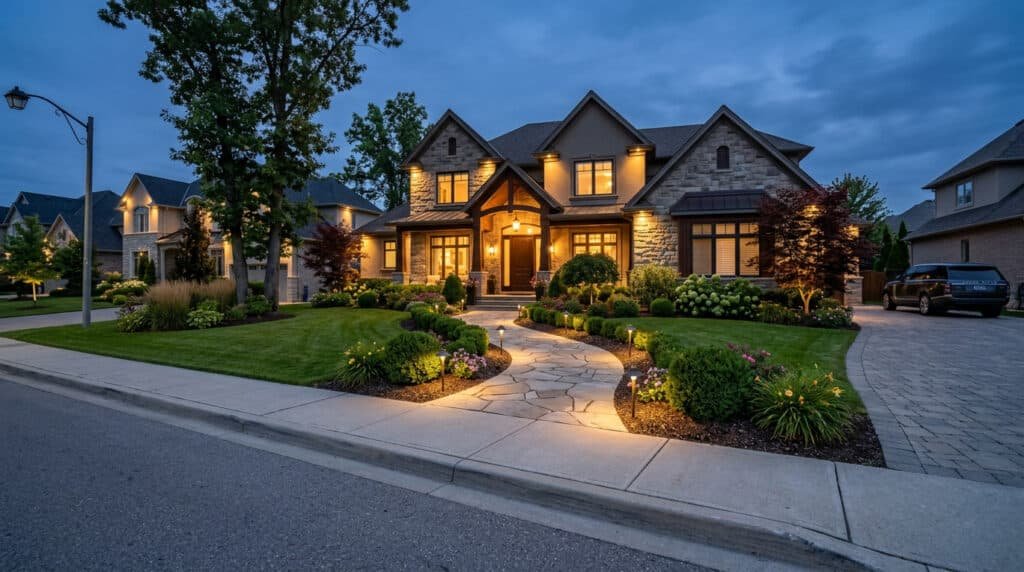
Real estate agents know something most homeowners don’t: outdoor lighting is one of the top five curb appeal factors that influence buyer perception. According to the National Association of Realtors, landscape upgrades (including lighting) can yield a return on investment between 100% and 200% at resale.
But here’s the insider angle — motion-activated solar landscape lighting signals something specific to buyers. It tells them the property is maintained, secure, and modern. It’s not just decorative. It says, “This homeowner thought about safety and efficiency.” That perception alone can differentiate your listing from the house next door.
I’ve personally watched a client add twelve driveway solar lights with motion sensors before listing her home. Her agent told me the lights came up in buyer feedback three separate times. That’s a $150 investment influencing a six-figure transaction. Not a bad ROI, IMO.
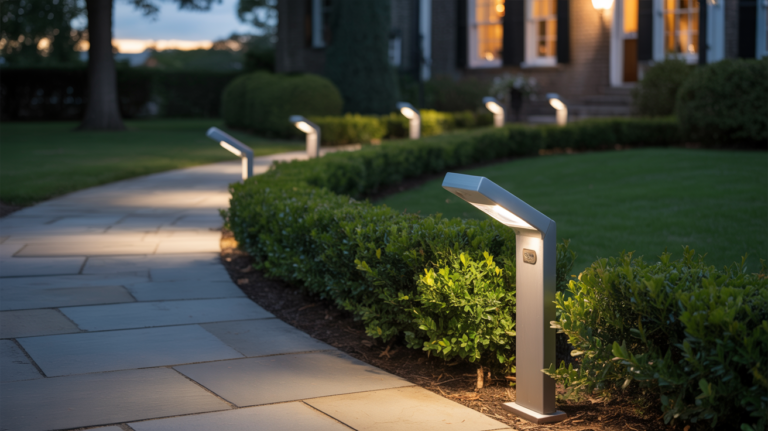
If you’re curious about selecting glare-free models that actually look upscale, I wrote a detailed breakdown on the best solar path lights that prevent glare — it’s worth reading before you buy.
Hidden Benefit #2: Wildlife and Ecosystem Protection
This one genuinely changed how I think about outdoor lighting. Constant nighttime illumination — what scientists call “artificial light at night” (ALAN) — is devastating to ecosystems. A landmark study published by the journal Science found that artificial light has contributed to insect population declines of up to 50% in heavily illuminated areas.
Birds navigate by starlight during migration. Moths and pollinators spiral into always-on lights until they die from exhaustion. Firefly populations are vanishing because constant light disrupts their mating signals. This isn’t tree-hugger speculation — it’s peer-reviewed ecological data.
Outdoor motion lights that run on solar power address this brilliantly. They stay dark 95% of the night. They only fire up for 15-30 seconds when a human (or large animal) triggers the PIR sensor. That means your pathway stays safe for you without becoming a death trap for every moth in a two-block radius.
Want to know something that surprised me? When I switched my own backyard from constant-on solar stakes to motion-activated units, I noticed fireflies returning within one season. Coincidence? Maybe. But the research suggests otherwise.
Hidden Benefit #3: The Psychology of Security Theater
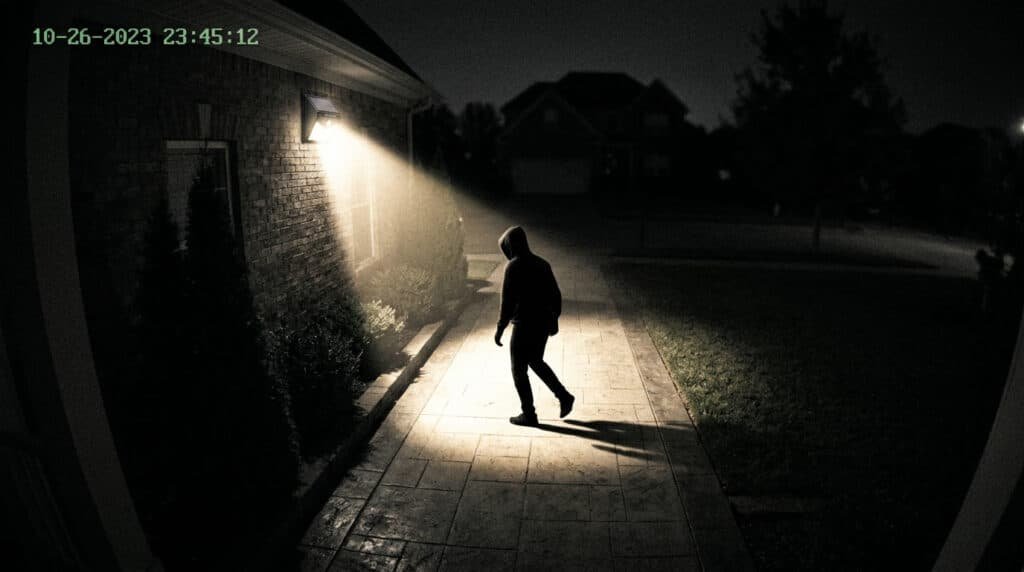
Let’s talk about what solar security lights actually do psychologically. The U.S. Bureau of Justice Assistance has published research showing that improved outdoor lighting reduces crime, particularly in residential neighborhoods. But motion-activated lights add a critical extra layer: the element of surprise.
A burglar casing a street sees always-on lights and mentally catalogs them — they’re background noise. But a light that snaps on when they step onto your property? That triggers a primal “I’ve been seen” response. It’s the difference between a locked door and a barking dog. One is passive; the other feels actively hostile.
I’ve spoken with two different law enforcement consultants who confirmed this: motion-triggered illumination is disproportionately effective compared to its cost. One officer told me, “Criminals hate unpredictability. A light that reacts to them feels like a camera, even when it isn’t one.”
For a deeper look at how solar lights create layered security around your home, check out my guide on solar path lights for safety and security. I cover sensor angles, lumen thresholds, and placement patterns that maximize the deterrent effect.
Hidden Benefit #4: Liability Shield for Homeowners
Here’s one that your insurance agent might not mention, but your lawyer definitely would. If someone trips on your walkway at night and injures themselves, you could face a premises liability lawsuit. In most U.S. states, property owners have a duty to maintain reasonably safe conditions — and that includes adequate lighting on pathways where guests are expected to walk.
Walkway safety lights with motion sensors demonstrate that you took active, reasonable steps to illuminate hazardous areas. That’s a defensible position. Darkness with no attempt at lighting? That’s negligence waiting to happen.
I’m not a lawyer, and this isn’t legal advice. But I’ve seen enough homeowner forum horror stories to know that a $30 pack of motion-activated solar garden lights along your front walk is infinitely cheaper than a personal injury settlement. 🙂
Hidden Benefit #5: Battery Longevity Through Smart Activation
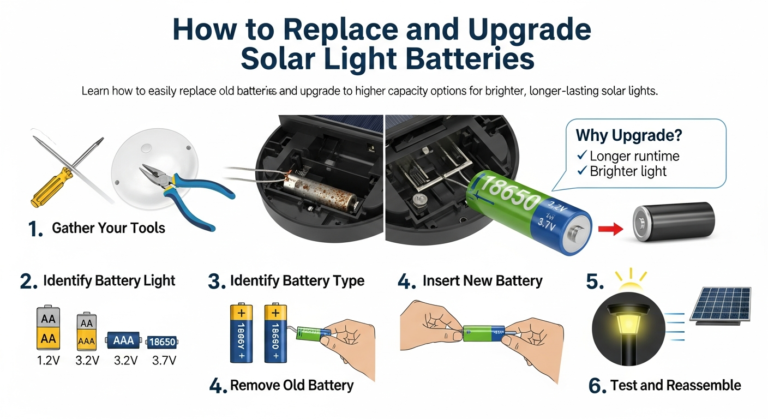
This is pure engineering logic that most buyers overlook. An always-on solar path light drains its battery every single night. That means deep discharge cycles, which degrade lithium-ion and NiMH batteries faster. Most always-on solar lights start dimming noticeably within 12-18 months because the battery simply can’t hold a charge anymore.
Motion-activated units, by contrast, spend most of the night in standby mode — drawing almost zero current. The battery experiences far fewer deep cycles, which according to the U.S. Department of Energy, directly extends its usable lifespan. I’ve had motion sensor units running on original batteries for over three years with minimal brightness degradation.
That means fewer replacements, less waste, and better long-term performance. It’s not sexy, but it’s the kind of practical advantage that separates a $20 impulse buy from a genuinely smart investment in solar landscape lighting.
Expert Commentary: This video provides an excellent hands-on overview of how motion sensor solar lights perform in real-world conditions, covering detection range, brightness levels, and installation tips that complement the strategies I discuss above.
Hidden Benefit #6: They Train You to Notice Your Property
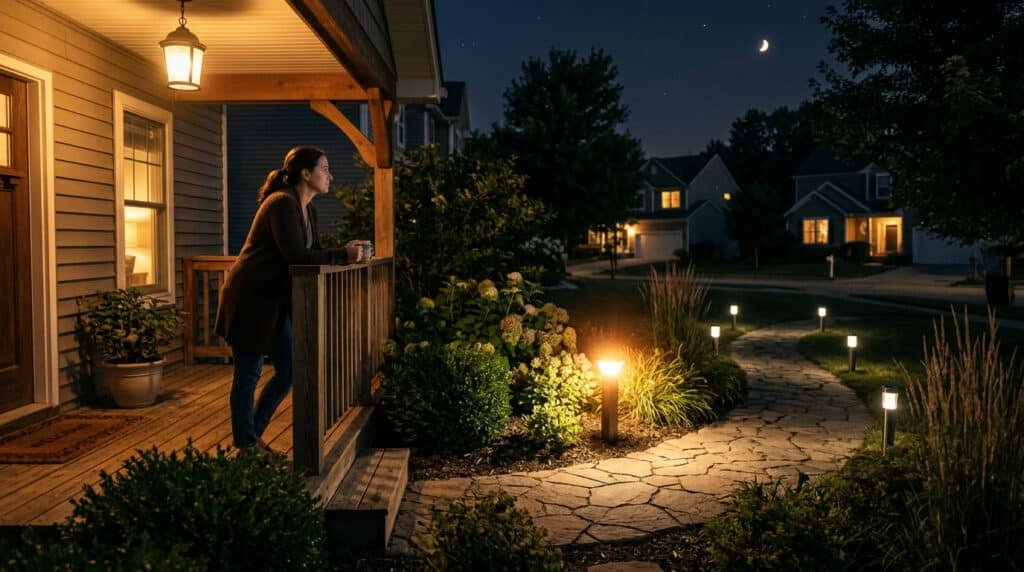
This might sound philosophical for a lighting article, but hear me out. When you install motion sensor solar path lights, something subtle shifts in your behavior. You start paying attention to your property’s perimeter. You notice when a light triggers from the kitchen window. You walk outside more often to check things.
That behavioral shift matters. You catch the loose paver before your mother-in-law catches it with her ankle. You notice the raccoon that’s been getting into your garbage. You spot the drainage issue before it floods your basement. The lights become passive sentries that keep you engaged with your outdoor space.
I can’t quantify this one with a study, but after installing motion lights at my own home, I caught a slow water leak near my foundation that would have cost thousands if I’d ignored it another season. Would I have noticed it without the light snapping on and drawing me to that side of the house? Honestly, probably not.
Advanced Placement Strategies Most People Ignore
Since we’re going deep here, let me share a few placement tactics I’ve refined over years of installation work:
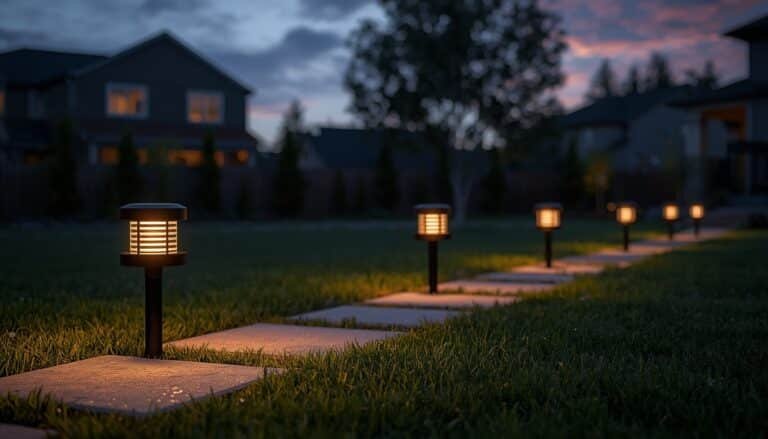
- Stagger, don’t line up: Placing lights in a perfectly straight row creates harsh shadows between each fixture. Stagger them on alternating sides of your walkway for more even coverage.
- Overlap detection zones by 20%: If your light has a 10-foot detection range, space units 8 feet apart. This eliminates dead zones where someone could walk undetected.
- Angle sensors downward on slopes: PIR sensors detect motion across their field, not directly toward them. On sloped driveways, angle the sensor 10-15 degrees downhill to catch approaching footsteps earlier.
- Avoid south-facing sensor placement in summer: Extreme pavement heat can trigger false activations on PIR sensors. Orient the detection side away from heat-radiating surfaces like asphalt driveway solar lights setups.
For a complete placement methodology — including spacing math, glare prevention, and sensor orientation diagrams — I break it all down in my solar path lights placement rules guide. It’s the most comprehensive resource I’ve published on the topic, no cap.
Frequently Asked Questions
Do motion sensor solar path lights work in winter?
Yes. Modern solar panels absorb UV light, not heat. Even on overcast winter days, quality units charge sufficiently for 6-8 hours of motion-activated use. Cold temperatures actually improve battery efficiency slightly compared to extreme summer heat.
How long do motion sensor solar path lights last?
LED components typically last 50,000+ hours. Solar panels degrade at roughly 0.5-1% per year, giving you 20+ years of usable life. Rechargeable batteries are the weak link — plan to replace them every 2-3 years for peak performance.
Can motion sensor solar path lights deter burglars?
Research from the U.S. Department of Justice suggests improved outdoor lighting is one of the most effective deterrents against residential burglary. Motion-activated lights specifically create the impression of an alert, occupied home, which discourages opportunistic criminals.
Are motion sensor solar path lights bright enough for driveways?
Modern units produce 100-300 lumens per fixture, which handles driveway illumination well when properly spaced. Place lights every 6-8 feet along both edges and choose models with 120-degree or wider detection angles for the best outdoor motion lights coverage.
Do motion sensor solar lights disturb wildlife?
Motion-activated solar lights are significantly better for wildlife than always-on lighting. They only illuminate when triggered, dramatically reducing the light pollution that disrupts nocturnal animal behavior, bird migration, and insect populations.
My Top Recommended Gear
After testing dozens of models over the years, these three categories consistently deliver the best results for motion-activated solar pathway lighting:
- Best Overall Motion Sensor Solar Path Light: Motion Sensor Solar Path Lights – Stainless Steel — Durable construction, reliable PIR sensor, and warm white output that doesn’t look industrial.
- Best Budget Option for Walkways: Waterproof Solar Walkway Lights with Motion Sensor — Solid IP65 waterproofing, decent 150-lumen output, and they come in packs of 6-12 for full pathway coverage.
- Best for Driveways and Security: Bright Solar Driveway Lights with Motion Detection — 250+ lumens, wide detection angle, and dual-mode operation (dim ambient + bright on motion) for maximum security coverage.
Disclaimer: This post contains affiliate links. As an Amazon Associate, I may earn a commission from qualifying purchases at no additional cost to you.